
Europemigrationguide.com is reader-supported. When you buy through links on our site, we may earn an affiliate commission.
Best remote jobs for beginners no experience are no longer rare opportunities—they are now one of the most realistic ways to start earning online in 2026. What has changed is not just the number of jobs available, but how companies think about hiring. Many employers no longer prioritise degrees or long resumes. Instead, they care about whether you can deliver results, communicate clearly, and stay consistent.
Quick Answer: The best remote jobs for beginners with no experience include virtual assistant roles, data entry, customer support, AI data labelling, freelance writing, and social media assistance. These roles require minimal skills to start and allow you to grow while earning.
If you want to find beginner-friendly remote jobs that actually pay and understand how to start without experience, this guide breaks everything down in a simple and practical way.
At the start, many people think getting a remote job is the main goal. In reality, understanding how the work is done and delivered matters just as much. In reality, it is about understanding how work is delivered, how communication happens, and how consistency builds trust. Without this understanding, even the best opportunities can feel confusing and difficult to sustain.
At the early stage, everything feels scattered. You see different job titles, different platforms, and different advice online. It becomes difficult to know where to start. That confusion is what this guide removes. Instead of listing random roles, it explains the jobs that actually work for beginners and how they fit into a real workflow.
Once you understand this structure, remote work becomes much easier. You stop guessing and start following a clear direction, which is what separates beginners who succeed from those who give up too early. If you want to understand how beginners move from zero to getting hired step by step, this guide explains it clearly: how to get your first remote job without experience.
Why Remote Jobs Are Easier to Start Than Ever
Remote work has shifted from a niche option to a global standard. Companies are no longer limited by location, which means they can hire from anywhere. This has created more opportunities for beginners than ever before.
But the real shift is in hiring expectations. Employers now focus on output instead of background. If you can complete tasks efficiently and communicate clearly, you already meet the basic requirement for many entry-level roles.
This is why beginners can now compete. You are not competing based on years of experience—you are competing based on your ability to deliver simple, consistent results.
However, this also means you need direction. Without choosing the right roles, it is easy to waste time applying for jobs that are not designed for beginners.
The Best Remote Jobs for Beginners (Explained in Real Terms)
The most important thing to understand is that beginner jobs are not just “easy jobs.” They are roles that allow you to start with basic skills while gradually improving over time. Each of the roles below works because it focuses on execution rather than expertise, which makes them accessible while still offering long-term growth potential.
Understanding how to position yourself for these roles is just as important as knowing the roles themselves. Many beginners fail not because the opportunities are not available, but because they do not present their ability clearly. If you want to understand how to structure your applications properly and increase your chances of getting responses, this guide explains it clearly: how to apply for remote jobs without experience.
Virtual Assistant (VA)
A virtual assistant role is one of the most flexible entry points into remote work because it allows you to support businesses with simple but important tasks such as email management, scheduling, research, and organisation. Over time, this role can evolve into higher-level responsibilities, making it a strong long-term option.
Data Entry
Data entry is one of the simplest ways to begin because it focuses on accuracy and consistency rather than advanced skills. It allows beginners to understand how remote work operates while building discipline and attention to detail.
Customer Support (Chat-Based)
Customer support roles help you build communication skills, which are essential in remote work. Many of these roles are chat-based, making them more accessible for beginners who prefer not to handle calls.
AI Data Labelling
This role involves tagging and organising data for AI systems. It is repetitive but simple, making it ideal for beginners who want consistent work while learning how digital workflows operate.
Social Media Assistant
Helping businesses manage their social media presence allows you to enter the digital marketing space. This role often grows into higher-paying opportunities as your skills improve.
Freelance Writing
Freelance writing is one of the most scalable roles because it allows you to grow your income as your skill improves. Businesses constantly need content, which creates continuous opportunities.
What Actually Makes These Jobs Work for Beginners
These roles are effective because they focus on execution rather than specialised knowledge, allowing you to start quickly and improve over time. They also provide a clear path for growth, which makes them more than just temporary opportunities.
One Overlooked Factor That Affects Your Success
Many beginners focus only on getting a job but ignore the environment they work in. Poor internet connection, distractions, and lack of structure can affect your performance even if you have the right opportunity.
That is why many remote workers rely on reliable mobile connectivity for remote work to stay consistent, especially when working from different locations.
As you refine your CV, having a structured workflow can make the process easier and more consistent. This guide explains the best productivity systems for remote work to help you stay organised: best productivity systems for remote work.
Because of this, your CV should focus on what you can do, not just what you have done.
How to Apply Without Experience (And Still Get Noticed)
Applying without experience does not mean applying without value. The biggest shift you need to make is understanding that employers are not just looking for experience—they are looking for capability. Your job is to show that you can do the work, even if you have not done it professionally before.
This means presenting your skills clearly, showing simple proof of your ability, and structuring your application in a way that makes it easy for employers to understand what you offer. When your application is clear and focused, it becomes easier to trust, which increases your chances of getting responses.
Building a Routine That Supports Your Growth
Getting a remote job is only the first step. What determines long-term success is how you manage your time and maintain consistency. Without a routine, it is easy to become distracted and lose momentum, which affects both your performance and your growth.
A structured workflow helps you stay organised, reduces stress, and improves your ability to deliver consistent results. Over time, this consistency becomes your biggest advantage in remote work.
As you begin to get responses and move forward, interviews become the next step. Preparing properly for this stage makes a significant difference in your success, and this guide explains how to approach it clearly: how to pass a remote job interview.
Salary Expectations for Beginner Remote Jobs
At the beginning, income may be modest, but what matters most is growth. Remote work allows you to increase your earnings as your skills improve, which creates long-term opportunities.
Role |
Estimated Monthly (Beginner) |
Growth Potential |
|---|---|---|
Virtual Assistant |
$300 – $800 |
High |
Data Entry |
$200 – $600 |
Low–Medium |
Customer Support |
$400 – $900 |
Medium |
AI Data Labelling |
$300 – $700 |
Medium |
Freelance Writing |
$200 – $1000+ |
Very High |
Staying Consistent While Working From Different Locations
Maintaining consistency is one of the biggest challenges in remote work, especially when working from different environments. Stability plays a key role in ensuring that your workflow is not disrupted.
Using reliable remote work protection and support helps maintain that consistency, while platforms like activity and lifestyle platforms for remote workers help maintain balance and avoid burnout.
Frequently Asked Questions
Can I really get a remote job with no experience?
Yes, because many remote roles focus on execution rather than background. Employers want people who can follow instructions, communicate clearly, and stay consistent. When you show these qualities clearly, your chances increase even without experience.
What is the easiest remote job to start with?
Roles like data entry, virtual assistant, and customer support are the easiest because they require basic skills and clear instructions. They also help you build experience gradually.
How long does it take to get your first job?
This depends on consistency. Some people get results quickly, while others take longer, but steady improvement always increases your chances.
Do I need to pay to get a remote job?
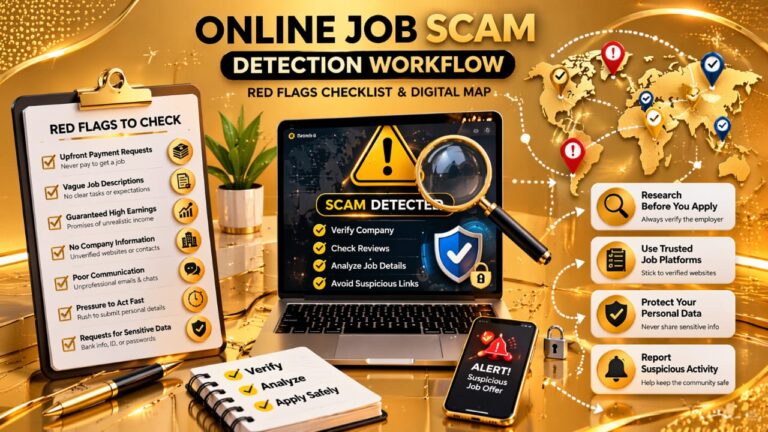
No. Legitimate remote jobs do not require payment. Always avoid opportunities that ask for money upfront.
What is the biggest mistake beginners make?
The biggest mistake is applying without direction. A focused and consistent approach produces better results over time.
Final Thoughts: Start Before You Feel Ready
Remote work rewards action and consistency more than perfection. Once you start and continue improving, opportunities become easier to access.
Best remote jobs for beginners no experience are not just about earning—they are about building long-term opportunities. To strengthen your chances even further, this guide explains how to structure your CV properly: how to write a remote job CV with no experience.